

PHC Wigilia

PHC Christmas Market
Polish szopka
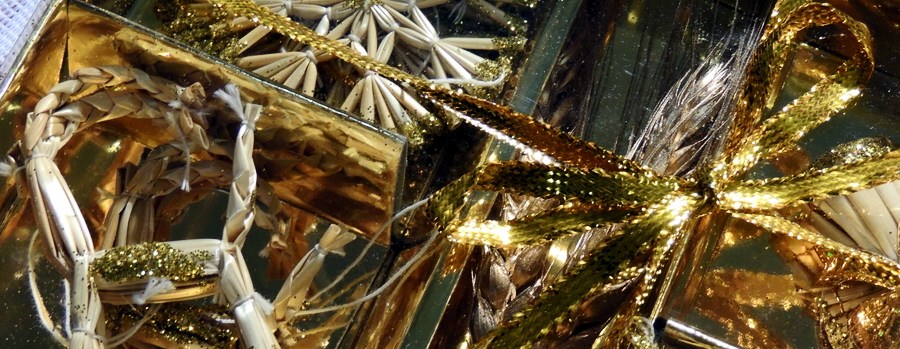
Polish Christmas gifts
May 15th was the deadline to apply for the
PHC SCHOLARSHIP
Announcement of winners coming soon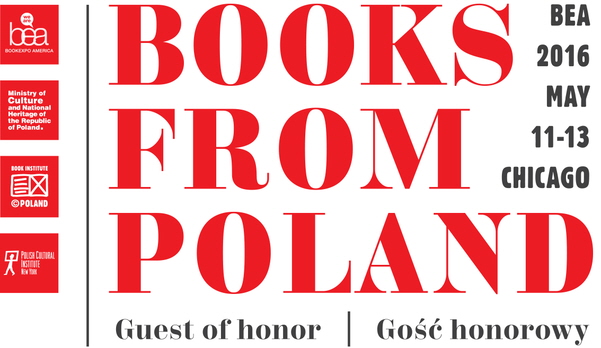 Poland as Guest of Honor
at BookExpo America (BEA) 2016
CHICAGO (McCormick Place), MAY 11-13, 2016
The prominent showcase of Polish book industry at BEA (the largest book fair in North America) was a great celebration of Polish writers and publishers. In addition to educational sessions and exhibits held as part of the BEA, the Polish Book Institute and the Polish Cultural Institute New York hosted a series of meetings "Books from Poland" with some of the most interesting Polish writers and literary artists as well as prominent members of the Chicago literary community.
The series opened on May 10, 2016 with the "Discovering Poland" event including the presentation ceremony of 2016 Found in Translation Award going this year to Bill Johnston for his translation of Twelve Stations, an epic, book-length poem by Polish contemporary poet and translator, Tomasz Różycki.
Click here for the FULL SCHEDULE of the "Books from Poland" events that took place at various Chicago venues on May 10-14, 2016.
The largest US-based publisher of books on Polish themes, Aquila Polonica Publishing, also organized a series of adjunct events and prepared for the occasion an invaluable CATALOGUE OF BOOKS ABOUT POLAND published recently in English.
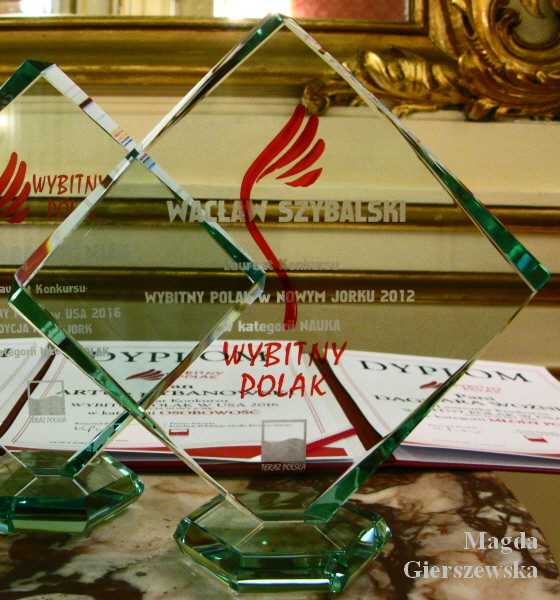
The "Outstanding Pole" award
for the PHC member
Professor Wacław Szybalski, the honorary member of the Polish Heritage Club of Wisconsin-Madison, has received the "Outstanding Pole" (Wybitny Polak) statuette after winning the title in 2012. The award ceremony took place on May 4, 2016 during reception commemorating the Constitution of May 3, 1791 and held in the Consulate General of the Republic of Poland in New York City.
As it became already an ingrained patriotic tradition, prof. Szybalski stressed in his letter read on the occasion that he accepts the award in honor of the royal, capital, Polish city of Lwów where he was born and spent his formative years (click here to read the letter).
During the same ceremony, the commemorative statuettes received also the 2016 winners of the "Outstanding Pole" title in the New York region. In this and other regions, the title is awarded annually in five categories: Science, Culture, Business, Personality and the "Young Pole."
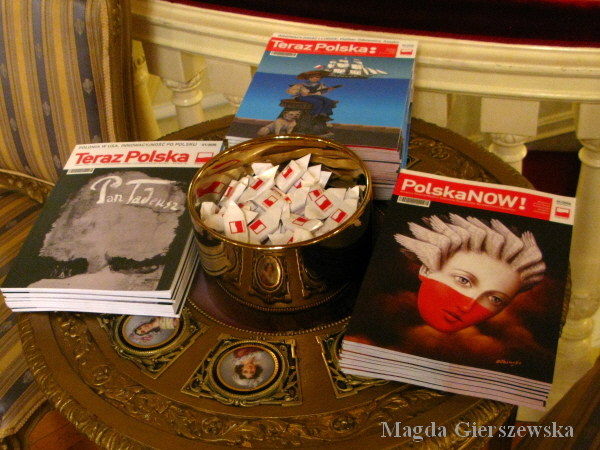 The “Outstanding Pole” Competition has been established in 2010 by the Polish Promotional Emblem Foundation “Poland Now” (Fundacja Polskiego Godła Promocyjnego "Teraz Polska "). to recognize, promote and popularize the achievements and successes of Poles at home and abroad.
The international edition of the contest started in 2011 to include also Poles living beyond Poland's boundaries (about 1/4 of all Poles) and all people cultivating Polish heritage. Currently, the competition takes place in the USA, UK, Austria, France, Holland and Norway. But as its popularity grows, new regions join the contest.
 In the United States, the competition has expanded last year from the New York and Chicago regions to the West Coast. The contest's organizer is Pangea Network USA an organization aiming to help young professionals develop business acumen through power networking.
author: IRENA FRACZEK


To see the pictures, click on the red title above OR the picture to the left.
 Lore of Polish Wigilia,
the Vigil Supper on Christmas Eve
1. Wigilia is the most significant part of Polish Christmas. In fact, it is more important to Poles than Christmas Day. Its name derives from the Latin word vigilare (to watch, be awake), in reference to waiting for Christ's birth. Wigilia has been celebrated in Poland since the 16th-17th century.
 2. In memory of the star that led the Three Kings to Bethlehem, the feast begins after the first star appears in the sky. The task of spotting the star is usually delegated to children, adding to the excitement and anticipation in the air.
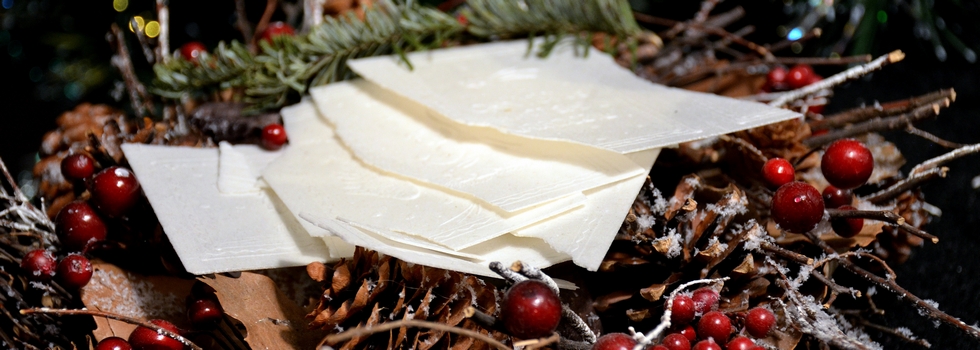
3. Supper begins with sharing of a wafer called opłatek (plural opłatki) and exchanging good wishes. The wafer is a symbol of reconciliation and forgiveness; hence Wigilia is the time to forgo old grudges and mend broken bridges. In older times, opłatki were shared also with household animals.
4. The bits of hay are often spread under the tablecloth as a reminder of Christ's birth in a manger. In some households, straws of hay are pulled out during the dinner to check what the future holds - the longest straight blade promises the greatest success in the upcoming year.
5. The table usually has an extra setting for an unexpected guest. This Christmas Eve tradition is meant to remember lonely people and invite to the table anyone who knocks on the door. An empty setting also signifies memory of loved ones who are too far to attend or have passed away.
6. The supper usually consists of 12 courses (for the 12 apostles). But in some regions of Poland, the odd number of dishes was served (7, 9, or 11, depending on affordability) because these numbers were believed to bring luck in the new year.
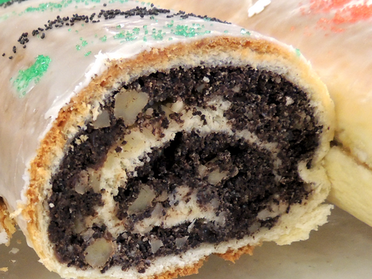 7. Although meat on Wigilia tables is no longer banned (since 2003), Poles continue to follow the meatless tradition. Fish reigns with numerous variations of herring and carp dishes. Red beet soup with uszka (bite-size dumplings filled with mushroom and/or sauerkraut) and wild mushroom soup are traditional choices. Poppy seed pastries and gingerbread cookies are dessert favorites.
8. The time for Christmas gifts comes after the supper is over and families gather around the Christmas tree, which in many households is decorated on the day of Wigilia. The evening continues to the tune of kolędy (Christmas carols). And there is a lot to sing because Poland has over 1000 carols, more than any other Catholic country.
9. Wigilia festivities end with the solemn Midnight Mass. Its Polish name is Pasterka (the Shepherds Mass) in reference to shepherds heading to Bethlehem. The festive mass tends to be long because it includes singing carols. It is also typically so well attended that many can only listen to it from outside.
Compiled by Irena Fraczek 
Contact us at phcwisconsin@gmail.com
(608) 571-5727
Recent Events
2024 Christmas Market
2021 PHC Picnic
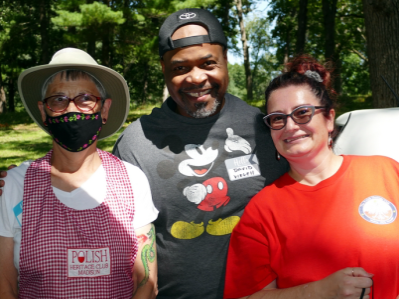
2020 Int'l Festival
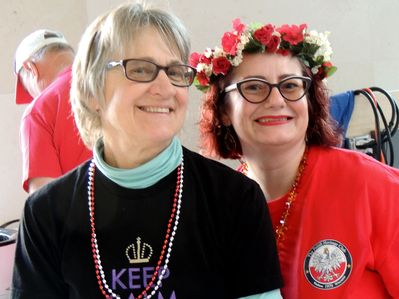
2019 Wigilia
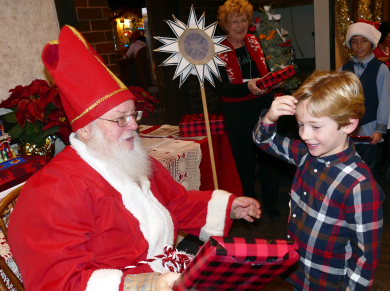
2019 Christmas Bazaar
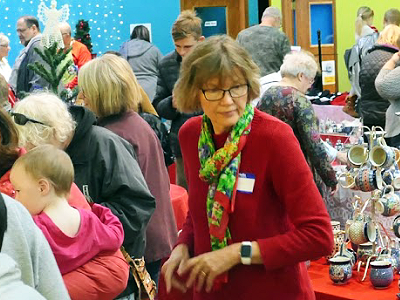
2019 Spring Festival
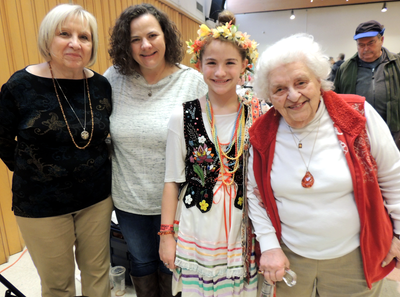
2018 Wigilia
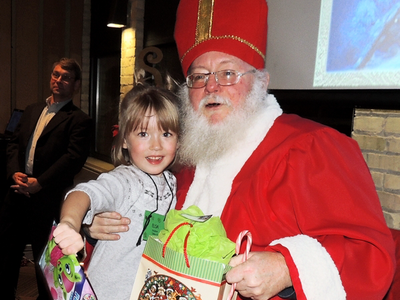
2018 Christmas Bazaar
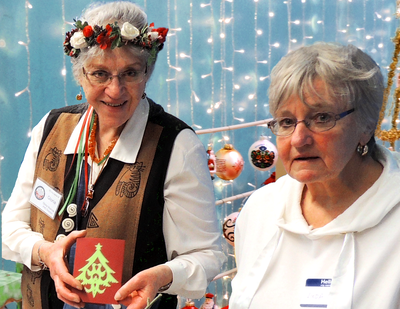
2018 Willy St. Fair & Parade